An approved NSC auditor and a commercial vehicle investigator
The Government of Alberta publishes its list of certified auditors as a PDF with no context. This is what one of those names actually does, who works alongside him, and why it matters to your fleet.
Approved by the two bodies that matter in Alberta.
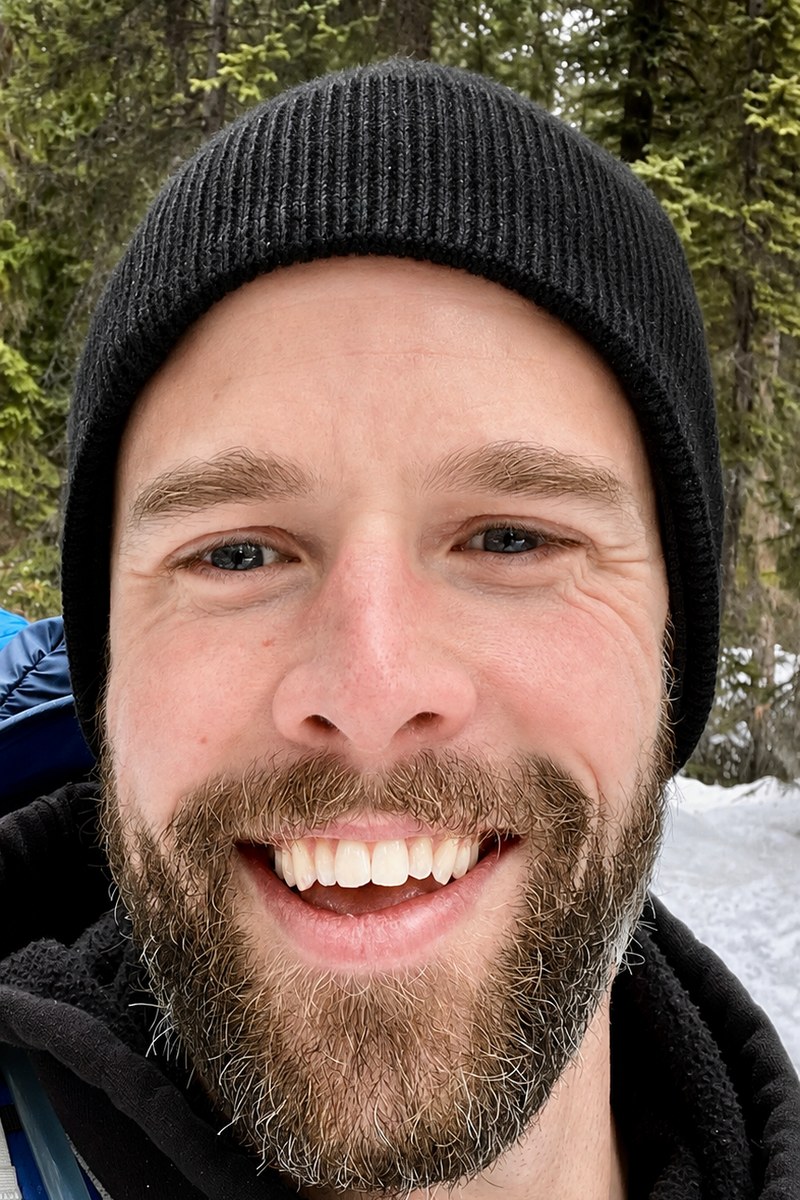
Ken Van Rentergem is listed on the AMTA approved auditor list and on the Alberta Transportation approved auditor list, the province's roster of certified auditors and reviewers.
That matters for one practical reason. An auditor on those lists is not interpreting the National Safety Code from the outside. He applies the same standards, the same scoring logic and the same evidence tests a government audit applies. When he says a driver file will fail, that is not an opinion about best practice. It is what the finding will say.
Plenty of good compliance consultants work from the published standards and their own experience. That is genuinely useful. It is not the same thing.
What this means when you hire First Call
You get the audit result before the audit. The findings list is written in audit language and sorted by what would actually be scored against you, so you fix the things that count first instead of spreading effort evenly across everything.
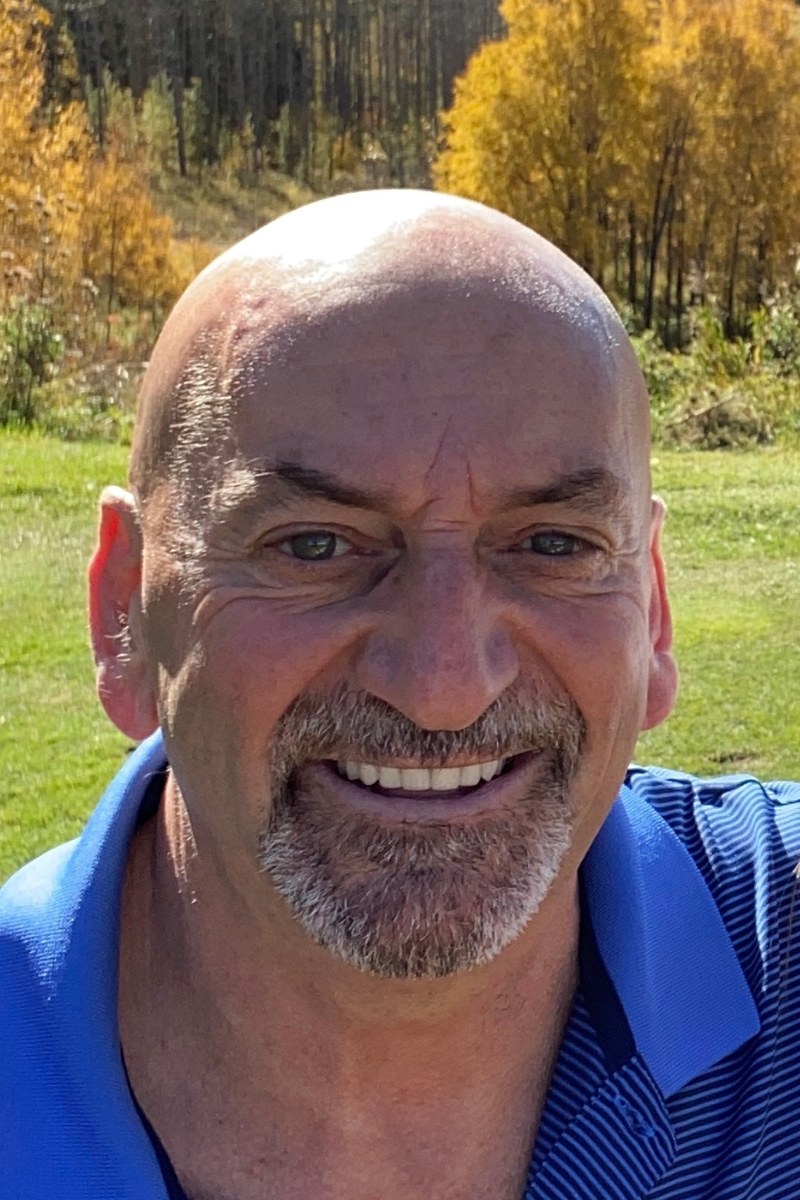
Ten years investigating commercial vehicle law, from the government's side of the file.
Scott Maier has spent ten years as an investigator in commercial vehicle enforcement in Alberta. He is a former Public Safety Investigator with Alberta Transportation.
That means he has opened files on carriers, measured driver and vehicle records against the legislation, reconstructed hours of service, and decided what charges the evidence would actually support.
At First Call, Scott applies that experience with a distinctly proactive focus rather than examining a carrier's operation after a serious compliance failure, collision, audit, or enforcement intervention has already occurred. His objective is to identify vulnerabilities while there is still an opportunity to correct them.
This means looking beyond whether policies and records simply exist and assessing whether a carrier's safety systems are functioning effectively in day-to-day operations. Through early identification, practical guidance, ongoing monitoring, and meaningful corrective action, Scott works with carriers to strengthen compliance before deficiencies escalate into larger regulatory or operational problems.
The goal is straightforward: give carriers the benefit of an investigator's perspective before they ever need one.
Where this shows up in the work
Directly in incident investigation: what to preserve in the first hours, how a preventability assessment is actually made, and whether your investigation file would survive being read by somebody who has done this professionally.
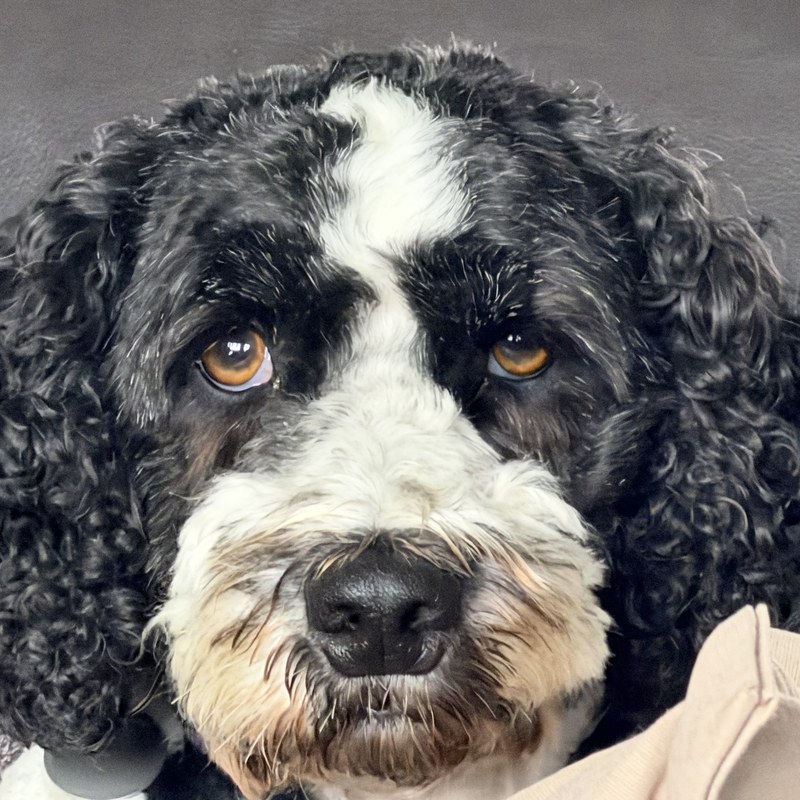
Maya, the watchdog
Ken's dog. Holds no certifications, has never read the National Safety Code, and supervises anyway.
Three things First Call does differently.
Findings before consequences
Everything is framed as what an auditor would write down. You are not paying for a general safety opinion. You are paying to see the report early, while every item on it is still fixable without going on the record.
Fixes that survive staff turnover
A binder that passes once is not compliance. The corrective action plan changes the process, not just the paperwork, so the next audit finds the same answer whoever is doing the filing.
Plain language, no padding
Reports are written for the person who has to act on them, usually an owner or an office manager with a full day already. Short, prioritised, specific.
Common questions
Is a third party auditor a government employee?
No. Third party auditors are independent professionals certified by the province to conduct audits on its behalf. When First Call is engaged privately by a carrier, the work is done for the carrier and the findings belong to the carrier.
Can the same person audit us privately and officially?
Being on the approved list means the standard is understood exactly as the province applies it. Where a conflict of interest would arise on a specific file it gets declared and the work is declined. Raise your situation on the scope call and you will get a straight answer before anything is booked.
What area does First Call serve?
All of Alberta. Records reviews can usually be done remotely. On site work covers the province, from the northern corridors down to the southern border routes.
Do you only work with trucking companies?
No. The National Safety Code applies to buses and to any regulated commercial vehicle operation, not just freight. Oilfield service, construction, agriculture and passenger operators carry the same obligations.

Talk to the auditor, not a salesperson.
Every enquiry goes straight to Ken. Describe your operation and what prompted the call, and you will get an honest read on whether you need help at all.